September 17, 2026 · OcclusionOS
The New-Patient Trap: Why More New Patients Is the Most Expensive Way to Grow
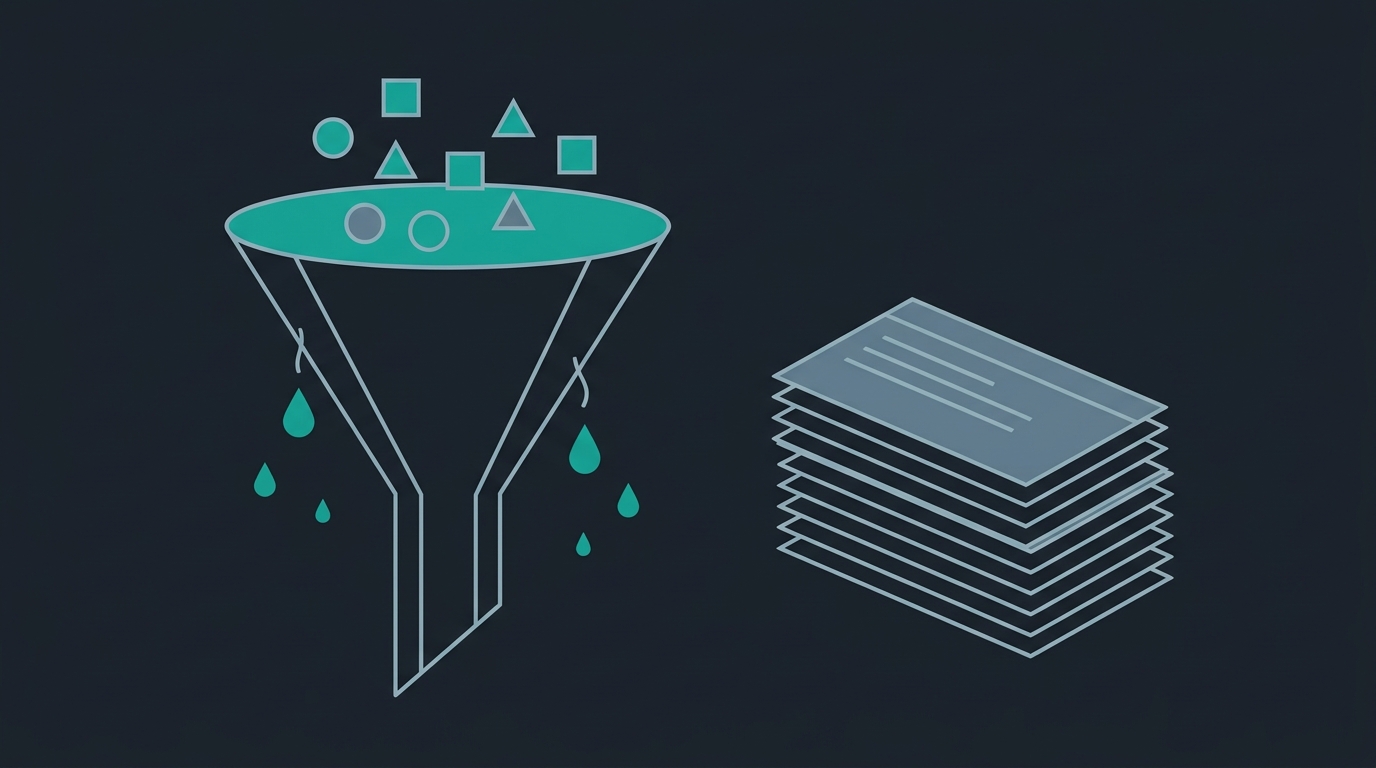
When a location feels stuck, the reflex is almost automatic: we need more new patients. It is the growth lever every dentist reaches for first, and it is usually the most expensive one on the board. New patients are not free, they are not automatically profitable, and chasing them often distracts from cheaper, faster money already sitting in your database.
New patients are the costliest dollar of growth
Winning a brand-new patient means paying to be found, paying to be chosen, and paying for the front-desk effort to convert an unfamiliar caller into a booked, kept appointment. Every step has a cost, and the patient has to stay and accept treatment before any of it pays back. You are buying the most expensive kind of growth and hoping it monetizes later.
Compare that to a patient who has already chosen you. The recall list, the lapsed hygiene column, the treatment plans that were diagnosed and never scheduled. That is demand you have already paid for. Reactivating it costs a fraction of acquiring a stranger, and it converts faster because the trust already exists.
A leaky bucket does not need more water
Here is the trap. If your intake, case acceptance, and recall systems are leaking, pouring new patients into the top does not fix the business. It just raises the cost of every dollar you eventually collect. You are paying premium prices to replace value you are failing to keep.
Think about the mechanics. Unscheduled treatment sitting in the charts is diagnosed work the practice already earned the right to do. Lapsed recall is a patient who already liked you enough to come once. Insurance benefits expiring at year end are a clock running on money that is yours to collect. None of that requires a single new patient. All of it requires you to stop the leak before you turn the tap up.
New patient count is a vanity metric in disguise
New patient volume feels like progress because it is easy to count and it goes up when you spend. But counted alone it tells you nothing about profit. A location can add new patients every month and still see flat collections if those patients arrive, get a cleaning, decline the real treatment, and drift. Volume in, value out, nothing to show for the spend.
The better questions are quieter. What is a new patient actually worth here over a year, not on the first visit. Which location converts new patients into accepted treatment, and which one just cycles them through. Where is the trade area rich enough to justify demand generation, and where would the same money earn more by fixing conversion instead.
Grow the value before you grow the volume
There is a time to invest in new patients, and it is after the bucket holds water. When case acceptance is strong, recall is tight, and unscheduled treatment is being worked down, then new demand compounds instead of leaking. Get the sequence backwards and you are subsidizing your own inefficiency at the highest possible price.
The discipline is unglamorous and it works: capture the value you already have before you pay for more. Reactivate before you acquire. Convert before you advertise. Diagnose which locations are ready for demand and which are still leaking, then spend accordingly rather than spending everywhere at once.
OcclusionOS helps multi-location dental practices diagnose where growth is actually constrained, from patient economics and trade-area opportunity to intake, care continuity, KPI architecture, and location-specific strategy. If you are ready to replace gut-feel growth with a data-infused operating framework, start with OcclusionOS.