October 7, 2026 · OcclusionOS
Why Two Patients Worth the Same Visit Are Not Worth the Same Year
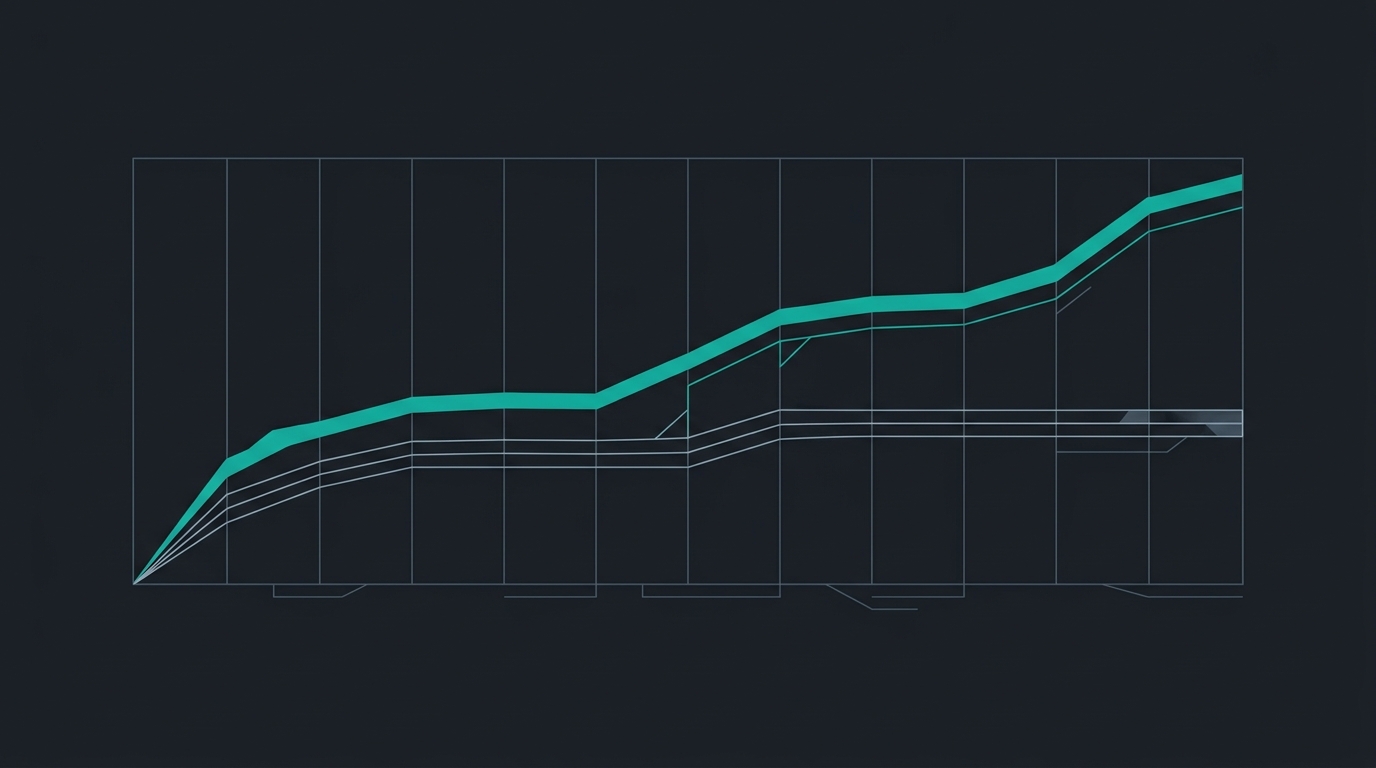
Two new patients walk in the same week. Same first appointment, same cleaning, same initial production on the ledger. On the schedule they look identical. A year later one has accepted treatment, kept every recall, and referred a family member, while the other came once and vanished. They were never worth the same. The problem is that most practices only measure the first visit.
The first visit is a terrible predictor
Judging a patient by their opening appointment is like judging a location by how busy it looks. It measures activity, not value. The real worth of a patient shows up over time, in accepted treatment, in kept recall, in the procedures they eventually need and choose to have with you. A patient who says yes to a needed treatment plan and stays for years is worth a multiple of the one who cycles through for a single cleaning, even though they started identically.
If your view of a patient stops at the first visit, you are flying blind on the number that actually drives collections. You cannot manage lifetime value you never look at.
Averages hide the patients who matter
Practices that do think about patient value usually think in averages: the average new patient is worth some amount. That average is comforting and mostly useless, because patient value is not evenly spread. A minority of patients carry a large share of long-term collections, and a long tail contributes very little. Managing to the average means treating your most valuable patients exactly like your least, and spending to attract more of both without knowing which you are getting.
The more useful question is not what the average patient is worth, but which patients are worth the most, and what they have in common. Where they live. What brought them in. What treatment they accepted. Whether your marketing is attracting more of them or more of the low-value tail.
Value is a signal about your marketing
Here is where lifetime value stops being an accounting curiosity and becomes a strategy. If a location keeps attracting new patients who never monetize, the problem may not be the office at all. It may be that the demand you are buying is the wrong demand, aimed at households and messages that pull in one-and-done visits instead of the patients who accept care and stay.
Two locations can have the same new patient count and completely different economics because one attracts high-value patients and the other attracts volume. You cannot see that difference in a headcount. You see it only when you follow patients forward and measure what they became.
Grow the right patients, not just more of them
Once you know which patients drive value and where they come from, growth stops being a numbers game and becomes a targeting game. You aim demand at the trade areas and the patient types that actually monetize. You tune intake and case acceptance to convert them once they arrive. You reactivate the high-value patients already in your database before paying to find strangers. The goal shifts from more patients to more of the right patients.
That is a very different plan than more new patients, and it is usually a far cheaper one. It rewards the value you already have and points every new dollar at the demand most likely to pay it back.
Measure the year, not the visit
A patient is not a first appointment. They are a relationship with an economic arc, and the practices that see that arc make better decisions about who to attract, who to reactivate, and where to spend. The ones that only see the first visit keep grading patients on the least meaningful moment of the whole relationship.
OcclusionOS helps multi-location dental practices diagnose where growth is actually constrained, from patient economics and trade-area opportunity to intake, care continuity, KPI architecture, and location-specific strategy. If you are ready to replace gut-feel growth with a data-infused operating framework, start with OcclusionOS.