September 12, 2026 · OcclusionOS
Your Busiest Location Might Be Your Least Profitable
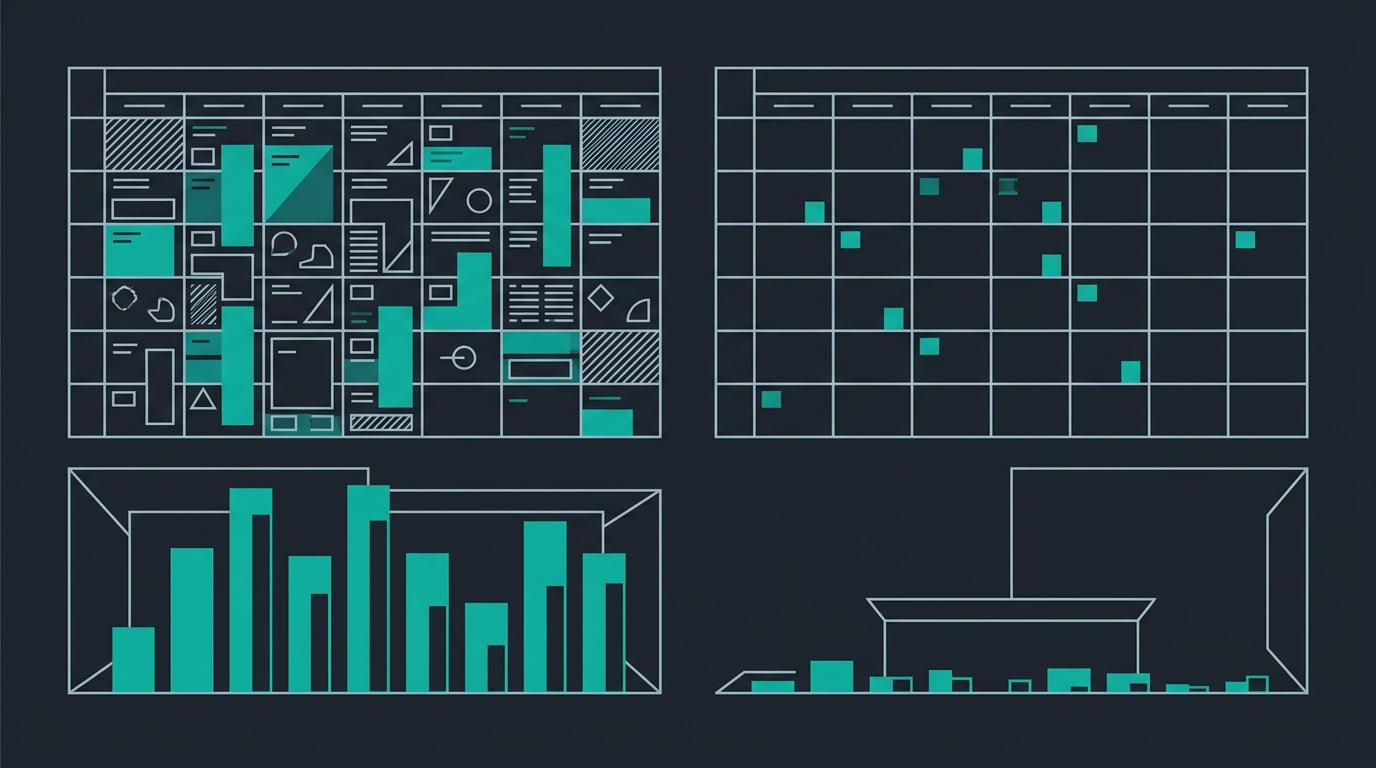
Ask most multi-location owners which office is their best, and they will name the busiest one. Full schedule, packed operatories, a front desk that never stops. It feels like the winner. But busy is a measure of activity, not of profit, and the two come apart more often than anyone likes to admit.
Production is not collections
The busiest office usually posts the biggest production number, and production is seductive because it is large and easy to see. What matters to your take-home pay, though, is what you actually collect and what it costs you to collect it. A location can produce enormously and still hand back a thin margin through write-offs, aggressive adjustments, and a net collections percentage sitting below where it should. High production with mediocre collections is a busy office that is quietly expensive to run.
A full schedule can hide a monetization problem
Volume masks a lot. When operatories are full, no one asks whether they are full of the right work. A schedule stacked with low-value visits and unconverted treatment plans looks identical, from the waiting room, to a schedule full of accepted, high-value care. The difference only shows up in the money, and only if you are looking at the money the right way.
This is where case acceptance and unscheduled treatment matter more than appointment count. A busy location with weak case acceptance is turning demand into activity instead of into treatment. The patients are there. The diagnosis is there. The conversion is not. That is not a marketing problem, and more new patients will not fix it. It is a monetization problem sitting inside a schedule that looks perfectly healthy.
The quiet office might be your best margin
Now look at the location everyone worries about, the quiet one. Lower production, calmer schedule, less noise. It is easy to assume it is the underperformer. But a quiet office with strong collections, high case acceptance, and a healthy overhead ratio can throw off more profit than the busy one that is grinding hard for thin returns.
Judging offices by how busy they feel gets this exactly wrong. The quiet office may simply need more demand in its trade area to unlock margin it already knows how to capture. The busy office may need better intake and case acceptance to stop leaking the value it already attracts. Same group, opposite prescriptions, and you cannot tell which is which from the schedule.
Overhead is where the truth shows up
The number that cuts through all of it is overhead as a share of collections, measured per location. The busy office that clears the nut only by running flat out, with overhead creeping past the 60% benchmark, is not a strong location. It is a treadmill. The quiet office that holds overhead down and collects most of what it produces is the one moving margin into profit distributions.
If you are not looking at overhead and collections by location, side by side, on the same definitions, you are grading your group on how it feels rather than how it pays.
Stop rewarding activity
The instinct to celebrate the busiest office is human, and it is expensive. Activity is not the goal. Profit you could be taking home is the goal, and it does not always come from the location making the most noise. The work is to separate conversion from monetization at each office, to see which one needs demand and which one needs discipline, and to spend the next dollar where it actually earns.
OcclusionOS helps multi-location dental practices diagnose where growth is actually constrained, from patient economics and trade-area opportunity to intake, care continuity, KPI architecture, and location-specific strategy. If you are ready to replace gut-feel growth with a data-infused operating framework, start with OcclusionOS.